
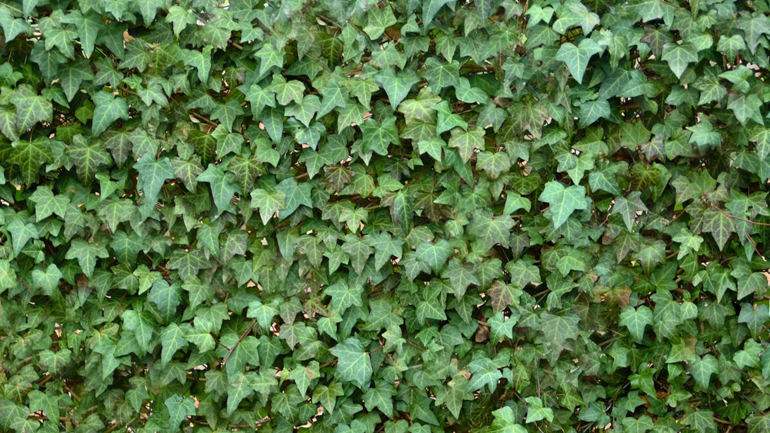
Kudzu (Pueraria montana)
You’ve probably heard about this at least once — on the radio, on TV, or online — since it’s a topic that’s often discussed: environmentalists fighting aggressive species of plants and animals that push out native plants and wildlife populations. You may have also heard the term “invasive species” and about the threat they pose as they spread. But do you know what that actually means?
Invasive species are plants, animals, or other organisms that arrive in a new area and begin to spread rapidly. They usually appear in new places because of human activity — either brought in accidentally or introduced on purpose. In their new environment, they often have no natural predators, which allows them to reproduce very quickly. According to recent scientific data, there are about 6,500 such species worldwide.
Invasive species can displace native plants and animals, disrupt natural ecosystems, damage agriculture, and harm the economy. That is why it is important to study these species and control their spread in a timely manner in order to protect the environment.
It's a fast-growing climbing vine that wraps around trees and shrubs, covering everything with a dense green blanket. It can literally “strangle” other plants by blocking out the sunlight they need to survive.
This is the version available to free subscribers. The full version, which includes detailed analyses, recent statistics and ecological management recommendations, is available to premium subscribers or can be purchased separately as an individual article. For unlimited access to all content of the iTeh D. Social Journal, explore the subscription plans.
See subscription plans